
Choosing Guitar Equipment: Sound, Playability & Style
Before Buying: Decide What You Want to Change
Equipment choices make most sense when they are tied to a musical objective. A change of guitar can alter the instrument's basic voice and response; strings can change attack, brightness, warmth and feel; a capo changes the effective key and voicing; a tuner makes standard and alternative tunings easier to manage; and smaller accessories can affect technique, comfort and reliability.
| If you want… | First things worth considering | Why |
|---|---|---|
| More volume and bass for strumming | Larger steel-string body; suitable string gauge | Larger bodies generally produce greater projection and stronger low-end response, although construction and voicing remain important. |
| Clearer individual notes for fingerstyle | Small/medium body such as 00, 000 or OM; appropriate setup and strings | Smaller and mid-sized bodies can give a more controlled, articulate response and are often comfortable for detailed playing. |
| A softer, more rounded voice | Nylon-string guitar or a warmer steel-string/string combination | Nylon has a different attack and response from steel; string material and construction also affect the voice of a steel-string. |
| A blues or slide sound with strong character | Resonator guitar; slide; appropriate strings | Resonator instruments use a mechanical cone system rather than relying solely on the wooden soundboard for acoustic projection. |
| To play higher up the neck | Cutaway body, if that access is useful to your repertoire | A cutaway removes part of the upper bout and makes access to the upper frets easier. |
| To change key without learning new chord shapes | Capo | A capo effectively shortens the vibrating string length and raises the open-string pitch. |
| To use lots of alternative tunings | Accurate chromatic tuner or automated tuner | Fast, repeatable tuning is particularly useful when moving between standard, open, drop and modal tunings. |
1. Choosing the Guitar
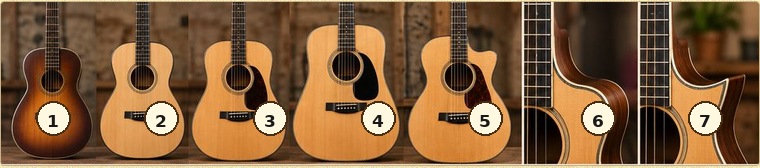
The numbered examples correspond to the numbered entries in the table. The OM and Jumbo types are discussed below but are not separately illustrated in this graphic.
For an acoustic guitarist, the body shape is one of the most obvious factors affecting volume, tonal balance, comfort and playing feel. Martin's current guide notes that larger bodies generally give more projection and bass, while smaller bodies tend towards balance and clarity. Taylor similarly describes its Grand Auditorium as a versatile mid-sized design suited to fingerstyle, flatpicking and strumming.
| Guitar type / feature | Typical characteristics | Particularly useful for | Points to consider |
|---|---|---|---|
| 1Parlour / small-body | Compact, intimate response; comfortable to hold; often articulate. | Fingerstyle, blues, folk, recording and players who prefer a smaller instrument. | Usually less low-end power than a large dreadnought, though individual designs vary considerably. |
| 200 / Concert | Small full-size body with clear trebles and controlled response. | Fingerstyle, folk, solo playing and recording. | A useful choice where comfort and note separation matter more than maximum projection. |
| 3000 / Auditorium | Mid-sized body balancing projection, comfort and tonal separation. | Fingerstyle, folk, singer-songwriter work and mixed playing. | A versatile size for a player who moves between picking and strumming. |
| OM / Orchestra Model | Similar body footprint to a 000 but commonly with a longer scale. | Fingerstyle, flatpicking and players wanting a responsive but substantial instrument. | Scale length affects string tension and feel; compare the actual instruments rather than relying only on model names. |
| 4Grand Auditorium | Balanced mid-sized body with substantial projection and a broad tonal range. | Players who fingerpick, strum and play a mixture of styles. | A useful “one guitar for many jobs” format; Taylor describes its GA as particularly versatile. |
| 5Dreadnought | Large body, strong projection and substantial bass response. | Strumming, flatpicking, country, bluegrass and playing with other instruments. | Can be physically larger to handle; the greater bass and projection may or may not suit detailed solo fingerstyle. |
| Jumbo | Large body with high volume, broad frequency response and strong projection. | Strumming, rhythm playing and players wanting a big acoustic voice. | Size and body depth should be tried in person; comfort matters as much as tone. |
| 6–7Cutaway | Upper-bout cutaway provides easier access to the higher frets. | Melody playing, solo work and arrangements using the upper register. | It is primarily an access feature, not a guarantee of a particular tone. Venetian and Florentine are common cutaway shapes. |
| Electro-acoustic | Acoustic guitar fitted with pickup and usually onboard controls/preamp. | Live work, amplification, stage monitoring and direct recording. | The unplugged acoustic sound still matters; electronics should be viewed as an additional facility rather than a substitute for a good acoustic instrument. |
| Nylon-string / classical | Lower-tension nylon-family strings, wider necks and a softer, more rounded attack than steel strings. | Classical repertoire, some folk, Latin and fingerstyle approaches. | Neck width and right-hand technique differ significantly from many steel-string guitars. |
| Flamenco | Fast response, strong percussive character and generally lower string action than a classical guitar. | Flamenco's rhythmic and percussive techniques. | Yamaha notes the lower action, thinner construction and shorter resonance as features associated with flamenco's fast response. |
| Resonator — National / single-cone / tricone | Mechanical resonator cone gives a distinctive, projecting voice; metal and wood-bodied designs exist. | Blues, slide, roots, country and some bluegrass-related playing. | National currently offers both single-cone and tricone families. Resonators have their own setup, string and playing considerations. |
| Dobro-style / spider resonator | Resonator design associated with spider-bridge instruments and often played with a steel bar. | Bluegrass, country, roots and lap-style or slide approaches. | Choose the instrument around the intended playing technique; round-neck and square-neck instruments are not interchangeable in use. |
Body-size terminology is not completely standardised between manufacturers. A “000”, “OM”, “parlour” or “Grand Auditorium” should therefore be treated as a useful description of a design family, not a guarantee that every maker's version will sound or feel the same.
2. Strings: Material, Coating & Gauge
Strings are one of the least expensive ways to experiment with the sound and feel of an existing guitar. On steel-string acoustics, the alloy used for the wound strings, the construction, the gauge and any coating all contribute to the result.
Examples of acoustic guitar strings from Steve's own collection
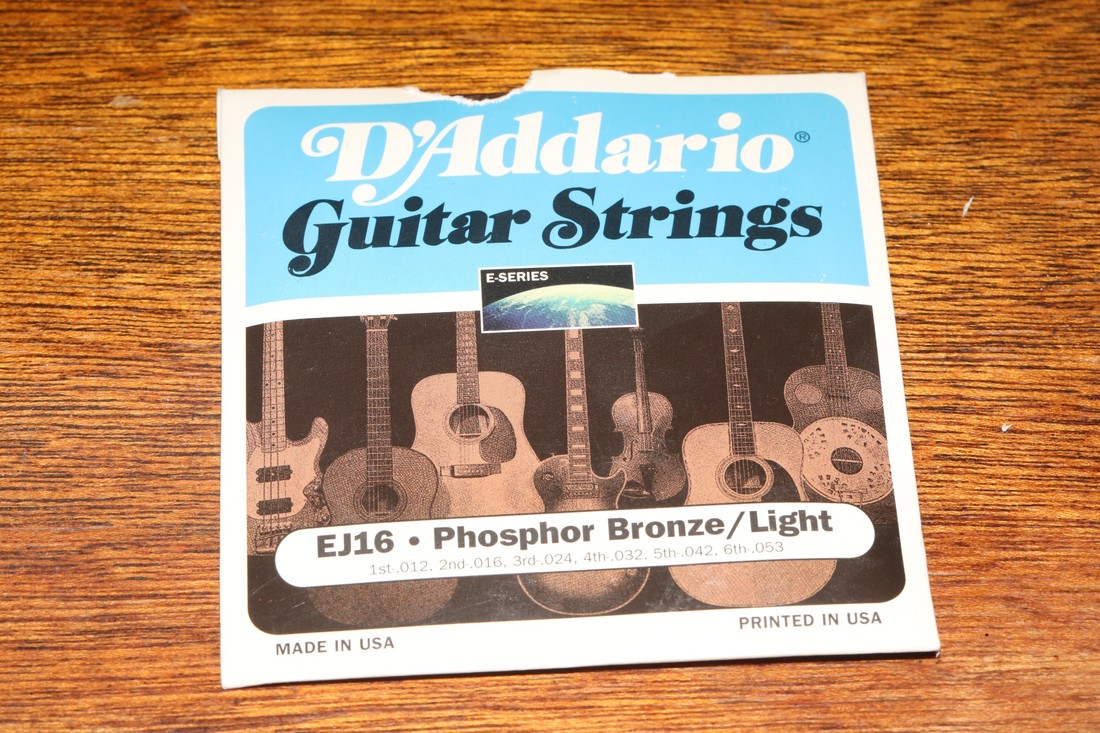
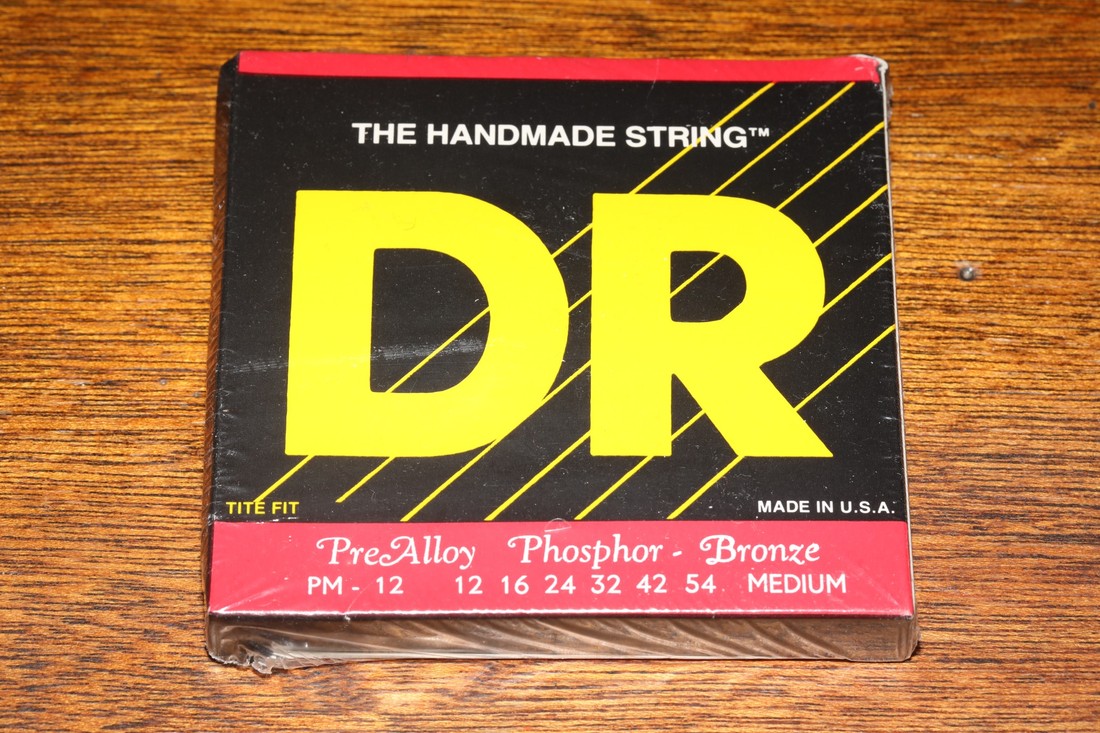
| String type | General character | Why you might try it |
|---|---|---|
| 80/20 Bronze | Generally bright, crisp and projecting. | Useful when you want more initial sparkle and attack. D'Addario describes its 80/20 acoustic strings as its brightest acoustic option. |
| Phosphor Bronze | Generally warmer and more balanced, with a broad acoustic response. | A common starting point for general acoustic playing and fingerstyle; D'Addario describes phosphor bronze as warm and well balanced. |
| Nickel / nickel-bronze types | Distinctive, relatively clear and revealing response; exact character varies by construction. | Worth trying when a player wants to hear more of the guitar's underlying character rather than simply adding brightness. |
| Silk & Steel | Lower-tension, softer-feeling strings with a warm, mellow character. | Useful for a gentler response, vintage-style instruments, quieter playing or players who prefer a softer feel. D'Addario describes its Silk & Steel range as soft and mellow. |
| Coated strings | A thin protective coating reduces exposure of the winding to dirt, sweat and corrosion and can change the tactile feel. | Useful for players who want longer usable string life or reduced finger noise. Elixir's NANOWEB coating covers the wound string; D'Addario XS uses an ultra-thin film coating on wound strings and treatment on plain steels. |
| Gauge | Heavier gauges generally require more tension and can provide more resistance and projection; lighter gauges feel easier to fret and bend. | Choose gauge in conjunction with the guitar's design, tuning, setup and your hands. Do not assume that heavier automatically means “better”. |
Coating is not the same thing as string material. For example, an Elixir phosphor-bronze or 80/20 set combines an underlying metal alloy with a separate coating. Likewise, D'Addario's XS and XT products apply different protective treatments to particular string constructions.
3. Capos

Examples from Steve's own capo collection
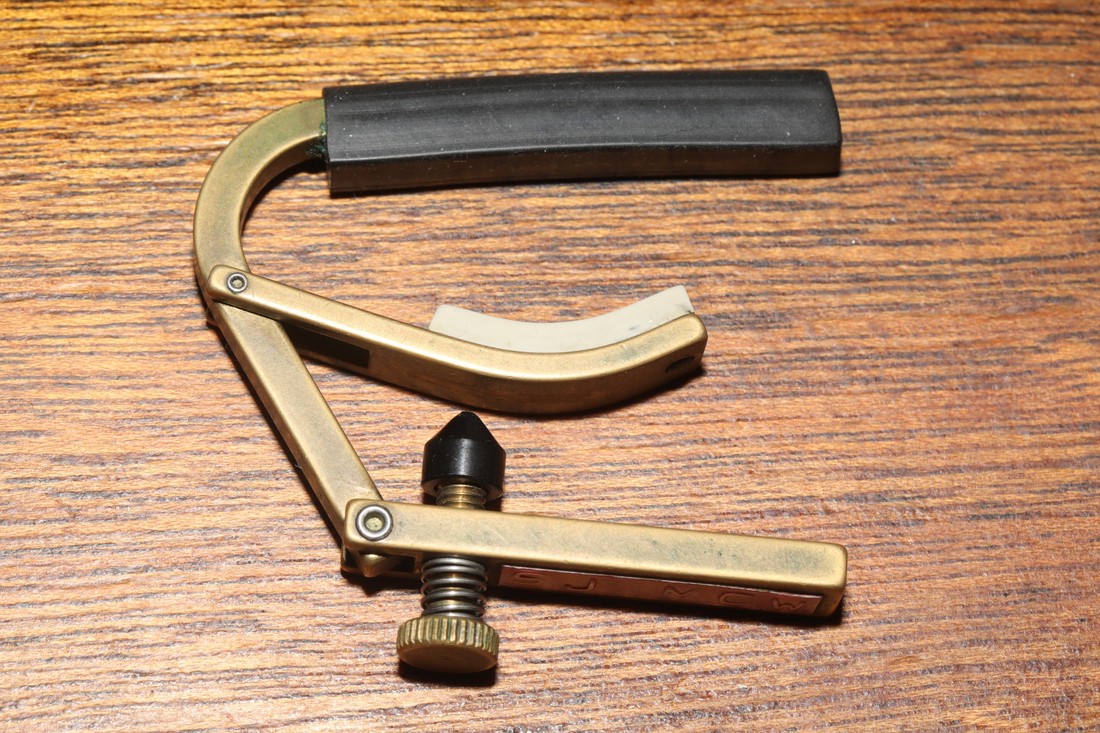
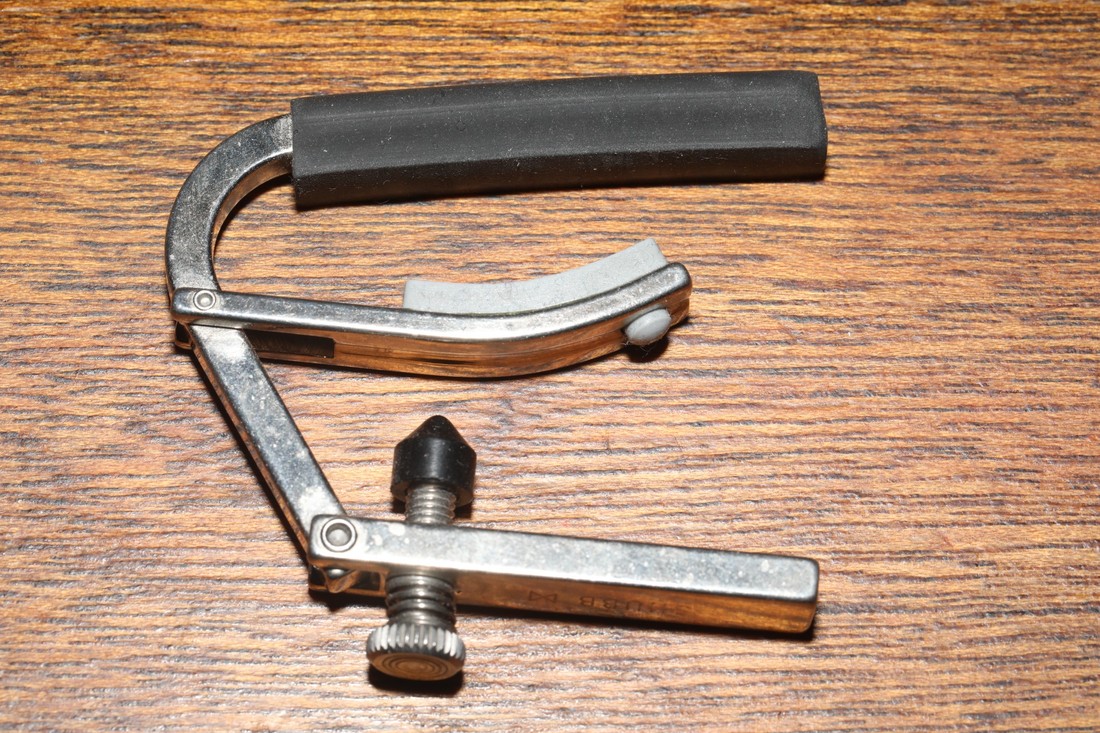
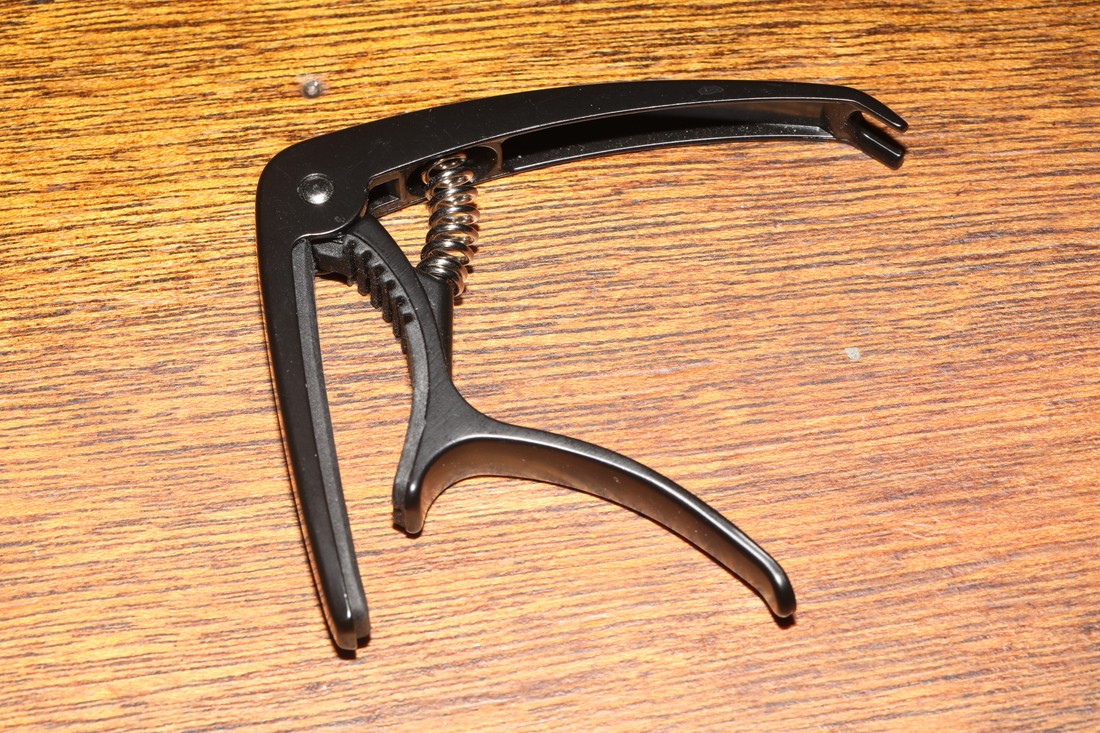
A capo clamps across the strings and effectively shortens their vibrating length. This raises the pitch while allowing the player to retain familiar open-position chord shapes. A capo can therefore be a transposition tool, but it can also be a voicing tool: the open strings continue to ring in a different register, which can change the character of an arrangement.
| Capo style | Characteristics | Useful considerations |
|---|---|---|
| 1Spring / trigger | Quick to attach and remove; simple one-handed operation. | Convenient for live playing, but excessive clamping pressure can affect tuning. |
| 2–3Adjustable-tension | Pressure can be set to suit the guitar and string combination. | Useful where tuning stability and precise pressure matter. G7th specifically emphasises adjustable tension as a way to reduce buzzing or tuning problems. |
| 4Screw / strap type | More deliberate adjustment and often compact storage. | Good where the player wants repeatable tension rather than rapid changes. |
| 5Partial capo | Only selected strings are clamped. | Can create alternative voicings and drone-string effects without fully transposing every string. |
Place a capo close behind the fret rather than in the middle of the fret space, and use only enough pressure to make the strings ring cleanly.
4. Tuners & Alternative Tunings

Roadie tuners from Steve's own equipment
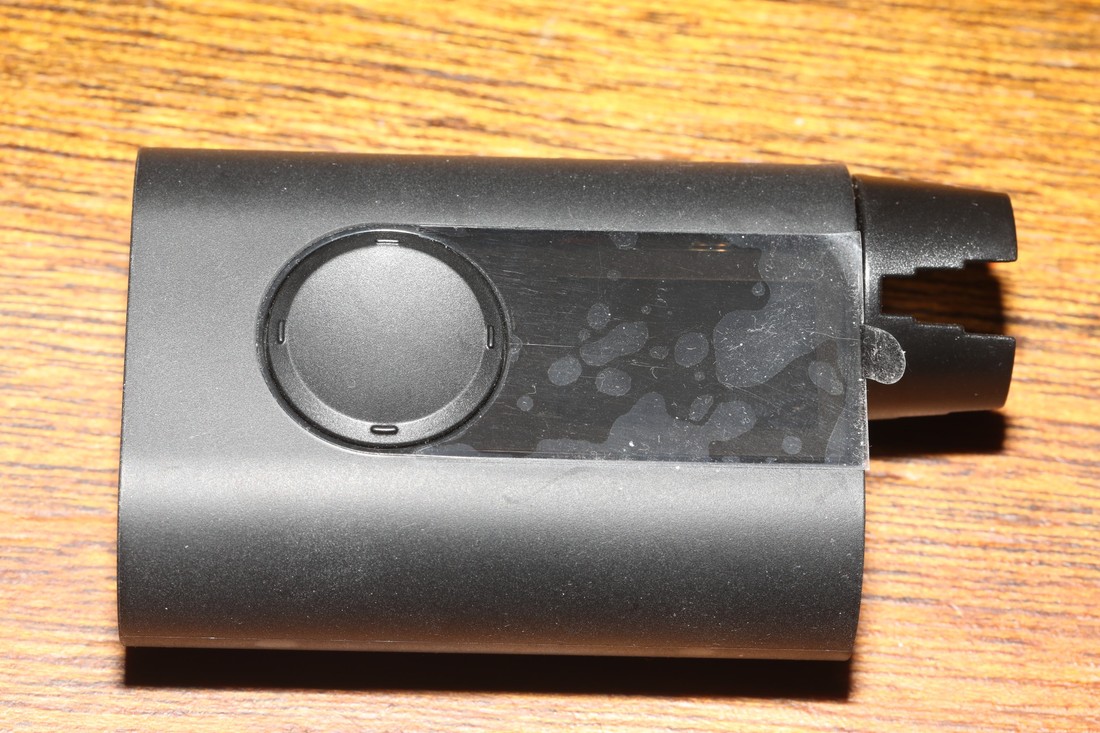
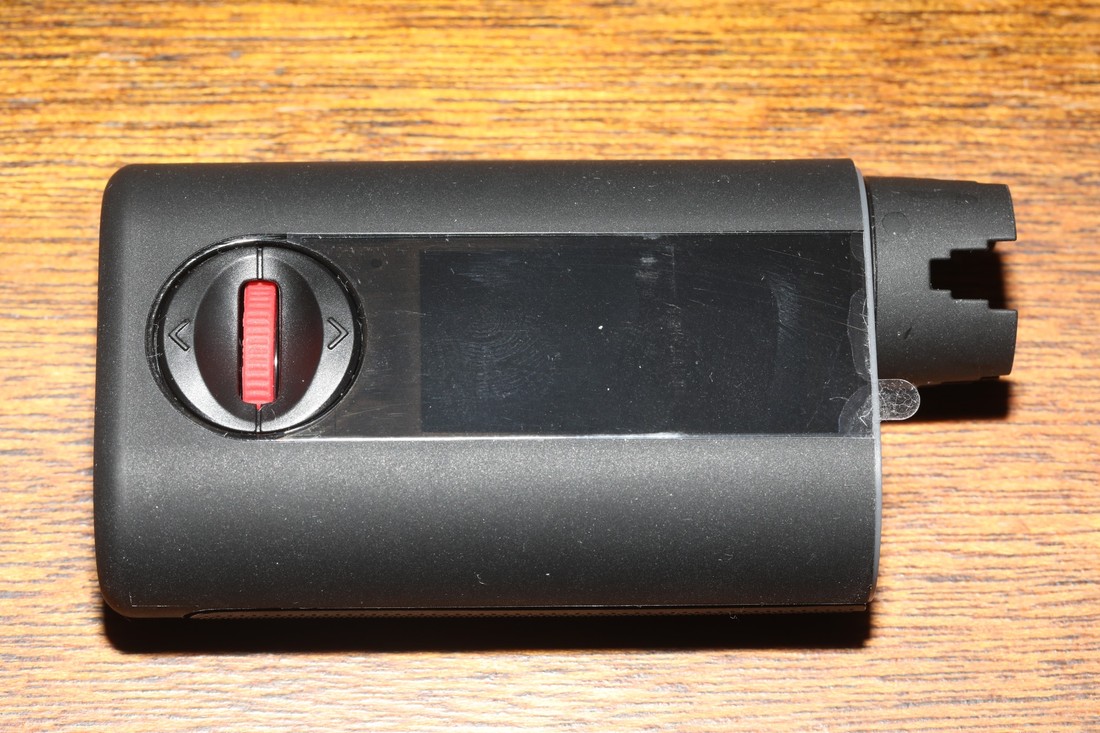
A reliable tuner becomes particularly important when a guitarist moves beyond standard tuning. Chromatic tuners allow the player to tune to arbitrary pitches and are therefore useful for open tunings, drop tunings and modal tunings. Clip-on tuners detect vibration through the instrument and are convenient for acoustic players; pedal and cable-connected tuners are particularly useful when amplification is involved.
| Tuner type | Strengths | Best suited to |
|---|---|---|
| 1Clip-on chromatic | Small, inexpensive, quick and unaffected by much surrounding sound because it senses vibration. | Most acoustic players, practice, rehearsals and general use. Current BOSS examples support chromatic mode and adjustable reference pitch. |
| 2Pedal / inline tuner | Easy to see on stage and integrated into an amplified signal chain. | Performers using electro-acoustic or electric guitars. |
| 3Phone/tablet tuner | Convenient because the hardware is already available; often includes additional tuning functions. | Beginners and occasional use, provided microphone access and surroundings allow reliable detection. |
| 4Automated tuner — Roadie | Uses vibration detection and a motor to turn geared machine heads. Roadie 3 supports 150+ built-in tunings, custom tunings and a built-in metronome. | Players who change tunings frequently, use several instruments, or want fast repeatable tuning. |
5. Other Useful Equipment & Accessories

The numbers identify the corresponding examples in the table. Items not specifically pictured remain described in the text below.
| Equipment | What it does | Why it may matter |
|---|---|---|
| 1Picks | Change the contact point and attack of the string. | Thickness, material and shape can alter attack, control and tone. Fingerstyle players may prefer thumbpicks or fingerpicks, depending on technique. |
| 2Slides | Allows notes to be produced by sliding a smooth object along the strings rather than fretting normally. | Central to many blues, country and roots styles; glass, brass and steel give different feel and response. |
| 3Straps | Supports the guitar when standing. | Width, material and adjustment affect comfort; strap attachment must be secure, particularly with valuable instruments. |
| 4Stand / wall hanger | Keeps the instrument accessible and safely supported. | Useful for regular practice, but long-term storage should also consider temperature, humidity and physical security. |
| Case / gig bag | Protects the instrument during storage and transport. | A good hard case provides more physical protection; a quality gig bag is lighter and more convenient for local travel. |
| 6Digital hygrometer | Measures relative humidity. | Particularly important for solid-wood acoustic guitars. Taylor recommends monitoring guitar humidity and cites 45–55% RH as an optimal range for its instruments. |
| Humidifier / humidity-control system | Helps maintain an appropriate humidity level in dry conditions. | Useful in centrally heated homes and other dry environments. Over-humidification can also cause problems, so monitoring is preferable to simply adding moisture. |
| 5String winder / cutter | Speeds string changes and trimming; automated winders can also speed the job considerably. | Simple hand tools are worthwhile if strings are changed regularly. The Roadie-3 and Roadie-4 also function as powered string winders when changing strings. |
| Metronome | Provides a steady beat for practice, timing work and developing consistent playing. | The Roadie-3 and Roadie-4 include built-in metronome functionality, so the same devices used for tuning can also provide a practice beat. |
| Roadie Coach | Portable recorder, practice/learning device, tuner and Bluetooth MIDI controller with a companion app; its dual-mic system can record voice and instrument separately. | Potentially useful to players who want to record practice sessions, receive guided feedback, or experiment with MIDI/DAW control. |
6. Matching Equipment to Musical Style
| Style / approach | Guitar characteristics to explore | Strings / setup | Useful accessories |
|---|---|---|---|
| Fingerstyle / ragtime | 00, 000, OM or versatile Grand Auditorium; clear note separation and comfortable neck. | Experiment with phosphor bronze, lighter/medium gauges and action that permits clean fretting without excessive resistance. | Capo, clip-on tuner, thumb/fingerpicks where appropriate. |
| Blues / country blues | Parlour, 00/000, traditional steel-string or resonator depending on the desired voice. | Try different bronze alloys and gauges; slide requires a setup and string choice that suit the technique. | Slide, capo, alternate-tuning tuner. |
| Folk / singer-songwriter | 000/OM, Grand Auditorium or Dreadnought according to required projection. | Phosphor bronze is a useful starting point; coated strings can extend usable life for regular playing. | Capo, tuner, strap, pickup if amplification is required. |
| Flatpicking / bluegrass | Dreadnought or other projecting steel-string; resonator or Dobro-style instrument for specific parts. | Gauge and setup should support the required attack and tuning. | Pick, tuner, strap; resonator-specific accessories as appropriate. |
| Classical | Nylon-string classical guitar. | Nylon-family strings; tension and neck dimensions are part of the instrument's intended design. | Footstool or ergonomic support, music stand, suitable case. |
| Flamenco | Purpose-built flamenco guitar rather than simply a classical guitar with different strings. | Fast response and lower action are characteristic considerations. | Capo, foot support and flamenco-specific technique accessories as required. |
| Slide / resonator | National-style single-cone/tricone or Dobro-style resonator according to the desired playing position and tone. | Choose strings and setup around slide/bar technique and intended tuning. | Slide or bar, tuner, strap and suitable case. |
7. A Sensible Buying Approach
For a beginner, the most important considerations are usually playability, comfort, construction quality, reliable tuning and suitability for the music you intend to play. An expensive instrument that feels awkward is unlikely to be a good long-term choice.
For an experienced player changing direction, start with the musical problem rather than the product: Do I need more projection? More note separation? A softer response? Easier access to the upper frets? A different tuning? A resonator voice? Amplification? Once the requirement is clear, the equipment category becomes much easier to identify.
Whenever possible, play several instruments with the same or similar strings and compare them seated and standing. Listen from in front of the guitar as well as from the player's position, and allow time for the initial excitement of a new instrument to settle before making a judgement.
Further Information & Manufacturer Guides
Useful technical information is available from manufacturers and specialist organisations. The links below are included as reference sources rather than endorsements of particular products.
- Martin Guitar — Guide to Acoustic Guitar Body Sizes & Shapes
- Taylor Guitars — Acoustic Guitar Body Shapes
- Yamaha — Classical and Flamenco Guitar Structure
- D'Addario — 80/20 Bronze Strings · Phosphor Bronze · XS Coated
- Elixir — Acoustic 80/20 Bronze with NANOWEB Coating
- G7th — Capo Guide for Beginners
- National Reso-Phonic — Resonator Guitars
- Roadie — makes Roadie Tuners and Roadie Coach, a recorder, learning tool, tuner and MIDI controller.
- Shubb Capos — Capos for acoustic, electric, classical and other stringed instruments
- Martin Strings — Acoustic and other guitar strings
- Black Mountain Picks — Guitar picks and capos
- SMJ Accessories — Guitar accessories, straps, capos and related equipment
Related Guitar Pages
| Page | What it covers |
|---|---|
| A List of Guitar Tunings | Standard and alternative tunings for acoustic guitar. |
| Ragtime, Blues & Folk Guitar | Styles and players particularly relevant to acoustic fingerstyle guitar. |
| Notable Acoustic Guitar Makers | Regional luthiers and makers in Northern England and Wales. |
| Guitar & Acoustic Music Links | External guitar, tablature, music and software resources. |
| Software for Music Transcribers | Software for slowing, analysing, transcribing and notating music. |
